


La Caza | A Taste of the Wild 2026
November 9 @ 11:30 am - November 29 @ 9:00 pm
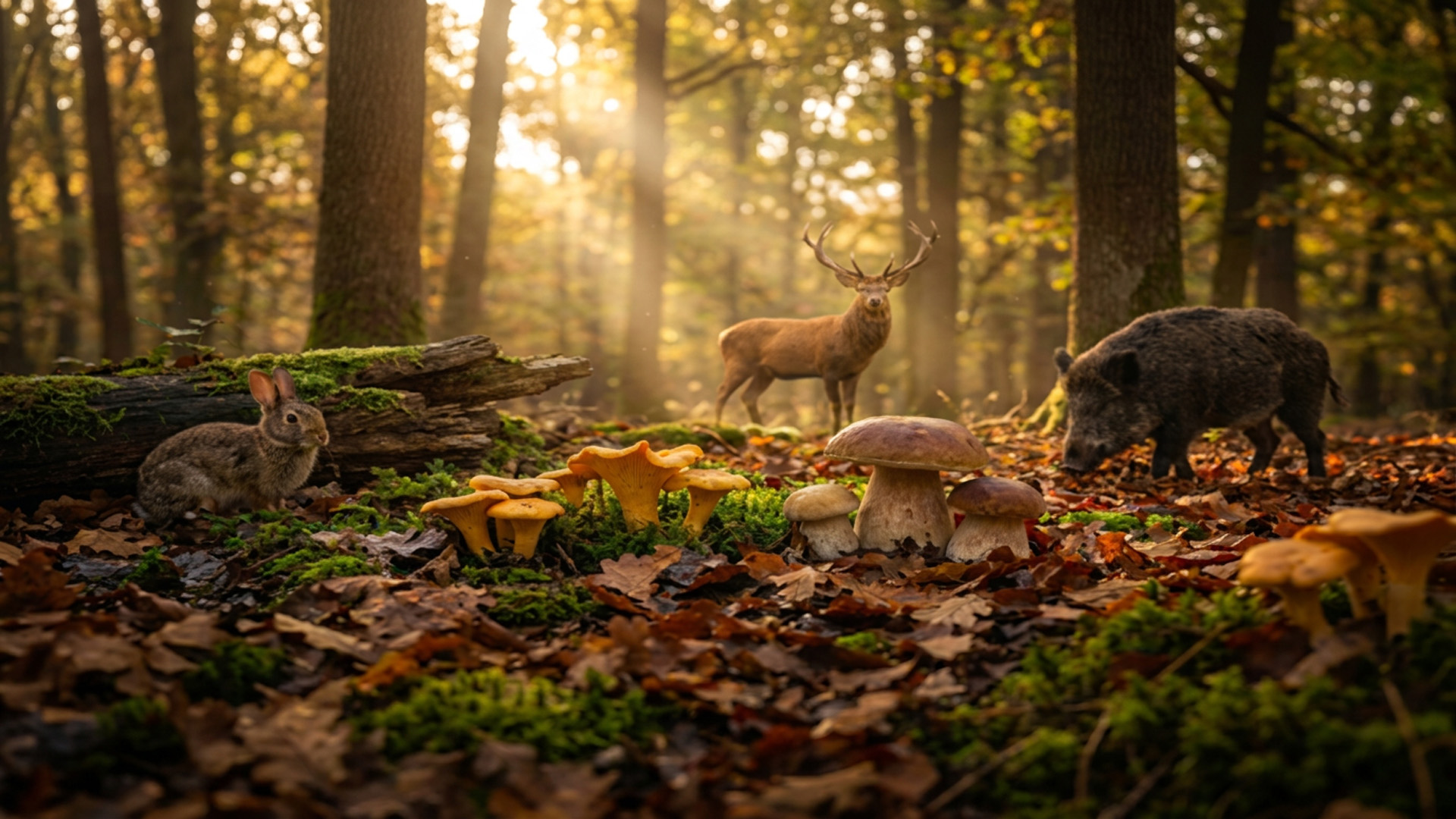
Embrace the ultimate taste of autumn in the heart of Washington, D.C.
From November 9th to 29th, La Taberna del Alabardero invites you to experience our exclusive seasonal menu, celebrating the rich and historic culinary traditions of the Spanish hunting season. For a limited time, we will be serving an extraordinary selection of special dishes featuring exquisite wild game and earthy, seasonal mushrooms.
Whether you are hosting a distinguished business lunch near the World Bank or seeking a warm, sophisticated evening with friends, this menu perfectly marries the rustic, robust flavors of the Spanish countryside with our signature timeless elegance.
La Caza Menu
- Arroz de conejo “La Venta el Conejo” | $25.00 Yellow rice with garlic rabbit.
- Codorniz rellena de setas y parmentier de boniato | $30.00 Stuffed quail with mushrooms and sweet potato parmentier.
- Estofado de jabalí con patatas | $27.00 Wild boar stew with potatoes.
- Rulo de venado con arroz cremoso de setas | $35.00 Venison roll with creamy mushroom rice.
Reserve Your Table Space is limited for this special seasonal offering. We invite you to secure your reservation online or by contacting 202-429-2200
Tax and service charge not included.
Why this meats?
1. Rabbit (Conejo) — Caza Menor & Foundational Gastronomy
- The Origin of Spain’s Name: Spain’s relationship with the rabbit is literal—the name Hispania is believed to derive from the Phoenician term I-span-ya, meaning “Land of Rabbits.”
- Peasant Heritage: Historically, rabbit was the primary lean protein accessible to rural families across the Iberian peninsula. It required minimal land to hunt or raise, making it a cornerstone of Spanish home cooking.
- Culinary Role: Rabbit is deeply tied to Spanish rice traditions. Before seafood paella became popular for tourists, the original 18th-century Paella Valenciana relied on wild rabbit, snail, and green beans. Paired with garlic and olive oil (conejo al ajillo) or braised into country rice (arroz de monte), rabbit represents the ultimate comforting, rustic flavor profile of inland Spain.
2. Quail (Codorniz) — Caza Menor & Preservation Heritage
- The Small Game Tradition: Quail hunting in the plains of La Mancha and Castilla y León is an autumn ritual. Small game birds have long supplied Spanish kitchens during the harvest transition.
- The Art of Escabeche: Because small birds spoil quickly after a hunt, Spanish cooks perfected escabeche, an ancient preservation technique using vinegar, olive oil, garlic, and wild herbs.
- Culinary Role: Quail represents the bridge between humble countryside hunting and noble dining. Stuffed quail (codorniz rellena) showcases Spanish culinary refinement, pairing dark, delicate meat with autumnal forest ingredients like wild mushrooms and sweet root vegetables.
3. Wild Boar (Jabalí) — Caza Mayor & The Montería Tradition
- Medieval Hunting Roots: Wild boar hunting is central to the Montería, Spain’s oldest driven-hunt tradition dating back to medieval times in regions like Sierra Morena, the Pyrenees, and Picos de Europa.
- Acorn-Fed Diet: Wild boars roam the Spanish dehesas (oak forests), feeding on wild acorns (bellotas), roots, and herbs. This natural diet gives the meat a deep, earthy taste distinct from domestic pork.
- Culinary Role: Wild boar is naturally lean and tough, so traditional Spanish cooking treats it with long, slow braises (estofados) in heavy clay cazuelas with robust red wine, garlic, bay leaf, and potatoes to tenderize the meat. It is the ultimate cold-weather communal dish served to hunters after a morning in the mountains.
4. Venison (Venado) — Caza Mayor & Regal Banquet Heritage
- Noble & Royal History: Unlike rabbit, deer hunting was historically reserved for Spanish nobility, royal estates, and wealthy landowners managing vast forest estates in Extremadura and Castilla-La Mancha.
- The Apex of Game Meat: Venison is regarded as the most prestigious wild game meat in Spain due to its deep red color, dense texture, and intensely aromatic, iron-rich profile.
- Culinary Role: High-end Spanish gastronomy elevates venison by pairing it with wild forest harvests, specifically seasonal mushrooms (setas) and truffle reductions. Preparing it as a loin or roll (rulo de venado) alongside creamy rice reflects how contemporary Spanish chefs honor royal hunting heritage with modern technique.